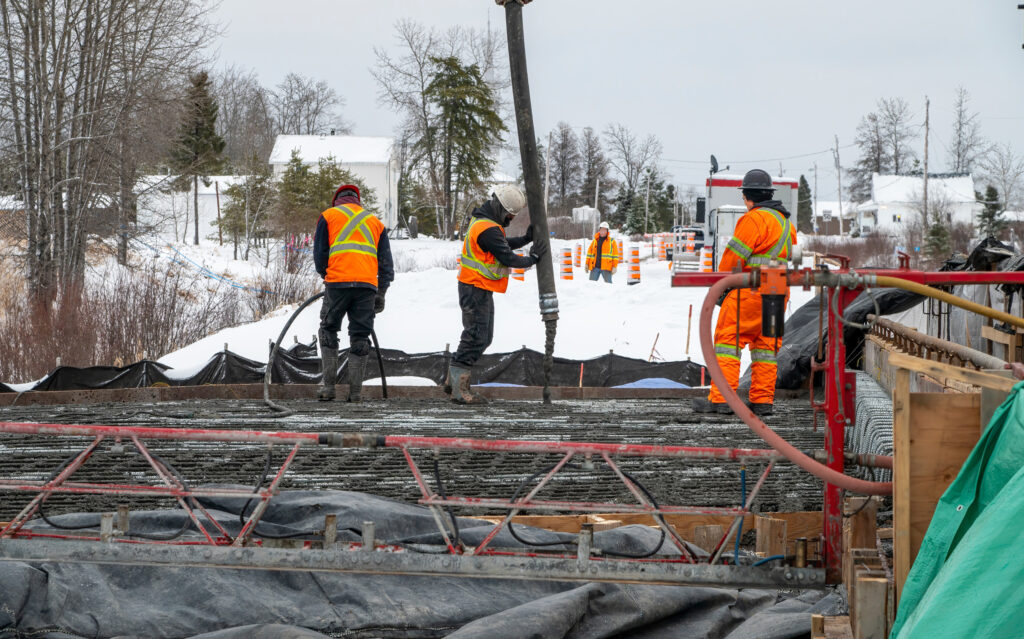
Building a hall in winter may sound challenging, but with the right methods and materials, it is entirely feasible – even a sensible solution. Winter conditions require careful planning, attention to foundations and site conditions, but also offer advantages such as faster permit processes and better contractor availability.
Special Characteristics of Winter Construction
Building a hall in winter is entirely possible, provided planning and execution are done carefully. Cold weather, frost, and shorter daylight hours present their own challenges, but modern methods and materials enable efficient construction even in freezing conditions. Winter construction can even bring advantages, such as faster permit processes and better contractor availability.
Foundation Work in Freezing Conditions
One of the most important stages in building a hall is foundation work. In winter, this requires attention, as frost can affect the load-bearing capacity of the ground. Frost protection measures, such as insulation boards and heating, are key actions. Concrete pouring is also possible in winter, provided winter-suitable concrete mixes are used and adequate heating is ensured after pouring.
Site Conditions and Logistics
In winter, site arrangements are emphasized. Access routes must be plowed and safe, and working conditions warm and well-lit. Storage of building materials requires protection from moisture and freezing. Logistics planning is important to ensure deliveries arrive on time and the site progresses as planned.
Costs and Schedules
While winter construction may increase costs due to heating and frost protection, it can also bring savings. Outside the construction industry’s peak season, prices may be more favorable and labor more readily available. Realistic schedule planning is important – work may progress more slowly in winter, but with good foresight, delays can be avoided.
Hall Purpose and Design
The purpose of the hall affects its structures and equipment. A hall designed for winter use may require additional insulation, more efficient ventilation, and heating systems. During the design phase, it is also worth considering potential expansion needs and adaptability. Weckman Steel offers solutions suitable for various purposes – from warehouses to production facilities.
Frequently Asked Questions About Building a Hall in Winter
- Can hall foundations be built in winter?
Yes, they can. In winter, foundation work requires special attention to frost protection and concrete temperature management. Insulation boards and heating are used as needed to keep the ground load-bearing and ensure successful concrete pouring.
- Is winter construction more expensive than in summer?
In some cases, yes, for example due to heating and site arrangements. On the other hand, contractors may be more readily available in winter and material prices may be more favorable, which balances costs.
- How do snow and frost affect building materials?
Snow and frost can slow down work and require protection of materials. Prefabricated steel structures, such as Weckman Steel products, withstand winter conditions well and speed up installation.
- Are special permits required for winter construction?
Not usually. The building permit process is the same regardless of season. In winter, permit processing may even be faster because there are fewer applications.
- Can the hall be used immediately after construction?
Yes, provided the building is complete and the commissioning inspection has been carried out. In winter, it is important to ensure that heating and ventilation function as planned before commissioning.
- How is the site kept safe in winter?
Site safety is ensured with plowed access routes, adequate lighting, and warm break facilities. Working conditions must be planned to support efficient and safe work.
- Can a hall be built in stages in winter?
Yes. In winter, for example, foundations and the frame can be completed, and finishing work can be left until spring. This requires careful planning and consideration of weather conditions.
- How do I choose the right hall type for winter use?
The choice depends on the intended purpose. Halls suitable for winter use require good insulation and durable structures. Weckman Steel’s steel halls are a good option, as they withstand snow loads and are easily adaptable.
You Can Build in Winter Too – And It’s Worth It
While winter brings its own challenges to construction, they are manageable with proper planning and expertise. Building a hall in winter can be a good solution that brings advantages in terms of schedule and business. When foundations are done carefully and structures are chosen correctly, winter construction is a safe and sensible option.
Weckman Steel Halls View Hall Packages Request a Quote for a Hall PackageLeasing – A Flexible Way to Acquire a New Building
Leasing offers the opportunity to put a building into use without a large one-time investment. Leasing divides costs into clear monthly installments, which simplifies budgeting and frees up capital for other business needs.
Leasing is a flexible solution for both small and growing businesses, and it is suitable for all Weckman building types. An experienced financing partner will help you find a leasing solution that fits your company's situation. Explore Grenke Leasing Solution
Read more about building construction in winter Request a Quote for a Hall
Put a building into use without a large one-time investment. With leasing, costs are divided into clear monthly installments.

 Suomi
Suomi